Leave a Message

Thank you for your message. We will be in touch with you shortly.

Coastal Upgrades That Add Value In Middletown

Coastal Upgrades That Add Value In Middletown

Salt air, storms, and sandy summers are part of life in Middletown and across Aquidneck Island. If you own here or plan to sell soon, you want upgrades that look great, stand up to the coast, and cut maintenance. In this guide, you’ll learn which coastal-friendly improvements add value for Middletown buyers and how to prioritize them for the best return. Let’s dive in.

Why coastal upgrades matter in Middletown

Middletown’s shoreline location means your home faces salt air, strong winds, nor’easters, humidity, and freeze–thaw cycles. These conditions wear down ordinary materials faster and raise long-term upkeep unless you choose durable, corrosion-resistant options. Buyers in this market often include year-round residents, second-home owners, and military-affiliated households who favor low maintenance, outdoor living, and weather resilience. If a property sits near flood-prone areas, sea-level rise and storm surge risk are long-term factors for buyers, lenders, and insurers.

Before large projects, confirm whether your home is in a FEMA Special Flood Hazard Area and review Middletown’s permitting rules. Coastal building standards and local overlays can affect materials, setbacks, and elevation requirements. For waterfront or near-shore sites, consult state coastal guidance to ensure your plans align with local regulations.

Exterior envelope upgrades that last

A strong building envelope protects value and reduces buyer concerns about moisture, rot, and wind. Focus on materials that resist corrosion, are UV-stable, and carry solid warranties.

Siding that resists the coast

Fiber-cement siding is a top pick for salt air. It resists rot and holds paint longer than natural wood, which means fewer touch-ups over time. For trim, use engineered wood or high-quality PVC to limit water absorption. If you have exposed wood, plan on frequent maintenance or an upgrade to a more durable option.

Roofing with staying power

Architectural asphalt shingles with strong wind ratings work well when installed to code. Metal roofing, such as aluminum or coated steel, offers long life and good wind resistance in coastal settings. With metal, pay attention to the fasteners and flashing to prevent corrosion and leaks. A Class A fire rating and manufacturer warranty are smart selling points for buyers.

Windows and doors that stand up to weather

Choose coastal-rated windows and doors with aluminum-clad or vinyl-clad frames and stainless or coated hardware to combat corrosion. Impact-resistant glass can protect openings and may be favored by buyers focused on storm resilience. If full replacement is not in the budget, consider storm windows or targeted upgrades to the most exposed elevations. Proper sealing and professional installation are essential to prevent moisture intrusion.

Hardware and flashing that do not fail

Use stainless or hot-dip galvanized fasteners and marine-grade hardware in exposed areas. Continuous, well-designed flashing at roofs, decks, and penetrations keeps water out and protects framing. Attention to these details reduces the risk of costly repairs and inspires confidence during inspections.

Outdoor living that sells

Outdoor space is a priority in beach markets, and low-maintenance choices are worth the investment.

  • Composite decking resists moisture and rot better than wood and comes with long warranties. It also needs far less sanding and staining over the years.
  • PVC, aluminum, or cable railings help avoid peeling paint and rust while keeping sightlines open.
  • Hardscapes like porcelain pavers, bluestone, or properly sealed stone create clean, durable patios. Permeable pavers improve drainage after heavy rain.
  • Outdoor showers are a simple addition with big buyer appeal. They help keep sand outside and protect interior floors.
  • Storm protection with removable or permanent shutters and hurricane-rated doors adds safety. Some upgrades can influence insurance discussions, so verify options with your carrier.

Interior finishes buyers love

Inside, aim for materials that handle humidity and sand, clean up easily, and look fresh at showings.

Durable, coastal-friendly flooring

Luxury vinyl plank is a practical, moisture-resistant option for living spaces, especially in homes with beach traffic. Engineered hardwood with a stable core can perform well when chosen for humidity tolerance. In mudrooms and baths, porcelain or large-format tile offers durability and easy maintenance.

Kitchens and baths that stay crisp

Quartz or sintered stone counters resist stains and do not require regular sealing like many natural stones. Durable cabinet finishes and quality hardware enhance everyday function and perceived value. In baths and kitchens, choose corrosion-resistant fixtures in finishes like stainless or PVD to handle salt air.

Livability features that simplify life

A main-level bedroom appeals to many buyers looking to minimize stairs. A mudroom or entry with built-ins, a utility sink, and ventilation helps manage beach gear and wet items. Laundry near bedrooms or on the main level adds day-to-day convenience.

Ventilation to control moisture

Whole-house ventilation or high-quality bath and kitchen exhausts help manage humidity and reduce the risk of mold. Proper attic insulation and ventilation improve comfort and energy efficiency while protecting against condensation.

Energy smart and resilient systems

Energy upgrades save money, improve comfort, and often attract coastal buyers focused on efficiency and resilience.

  • Heat pumps are efficient for New England climates and provide both heating and cooling. Cold-climate models are a strong option for year-round comfort.
  • Heat pump water heaters or high-efficiency tankless systems reduce operating costs and free up space.
  • Insulation and air sealing offer strong payback. Focus on attics, walls if accessible, and air sealing around penetrations.
  • Solar panels can add appeal, and battery storage supports resilience during outages. Payback depends on incentives and net metering. Check local rules and any HOA requirements before installing.
  • A Level 2 EV charger is increasingly expected by many buyers. Pre-wiring or a simple, well-labeled install can be a selling point.
  • Smart controls like programmable thermostats and water leak sensors add modern convenience at a low cost.

Site and landscaping for the coast

Choose landscaping that looks great and lowers maintenance, especially with salt exposure and stormwater in mind.

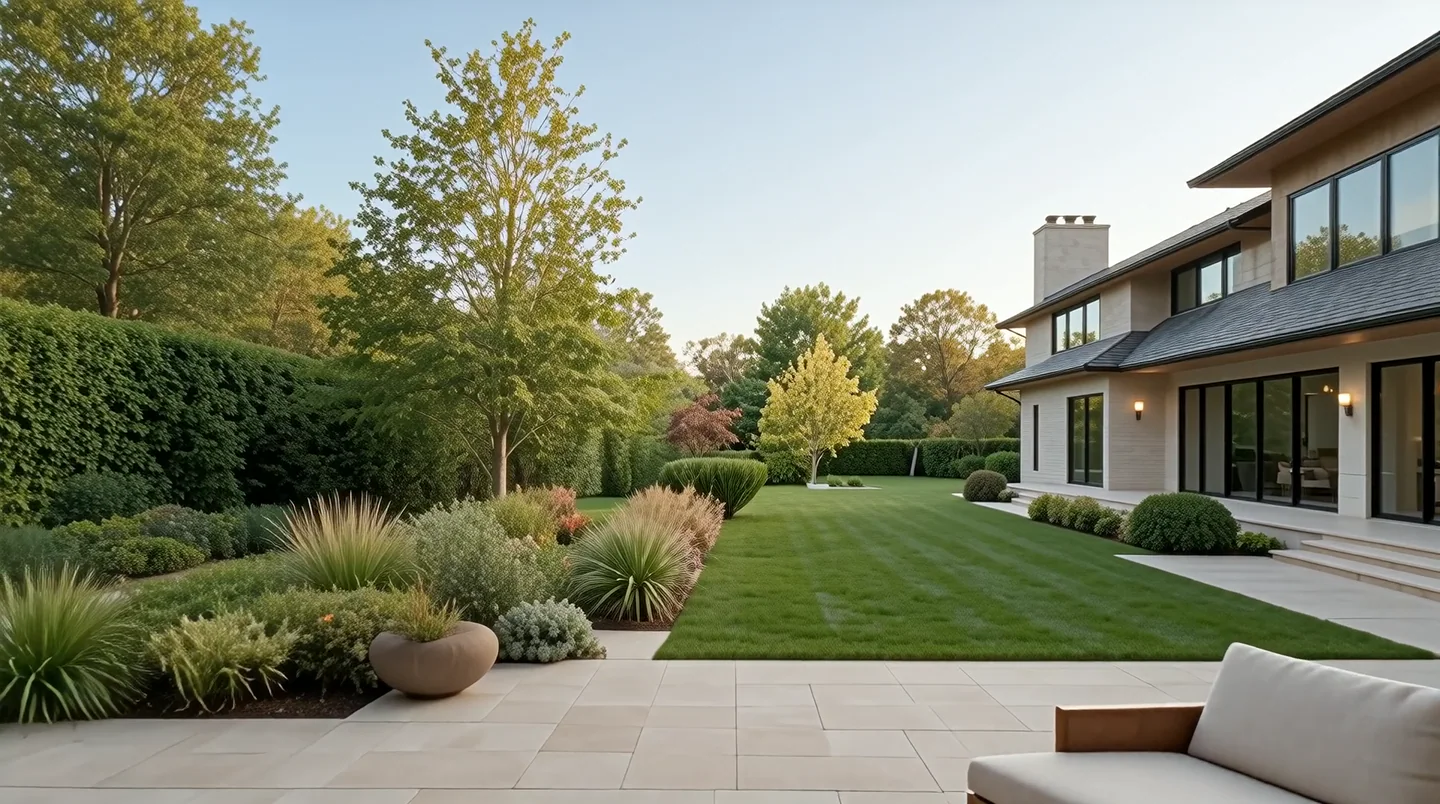
  • Salt-tolerant, native plantings reduce watering and upkeep. Replacing sections of turf with groundcovers and hardscape can cut mowing and irrigation.
  • Grading, gutters, and drainage improvements keep water away from foundations and reduce moisture issues inside.
  • Permeable surfaces help manage runoff during storms. For shoreline properties, some sites may benefit from erosion control plantings or living shorelines where allowed. Always verify with local coastal authorities before work begins.
  • LED, low-voltage outdoor lighting with marine-grade fixtures stands up better to coastal conditions and reduces energy use.

Cost, ROI, and timing

Remodeling industry data often shows strong value for composite deck projects, garage door replacements, and fiber-cement siding due to curb appeal and durability. Minor kitchen and midrange bath updates can also deliver solid buyer appeal, while very high-end remodels may recoup a smaller share of cost. In coastal markets, durable materials that cut maintenance can help a home sell faster and reduce repair negotiations.

Expect higher upfront costs for long-life materials like metal roofing, composite decking, or quartz counters. These choices typically reduce maintenance, extend useful life, and carry longer warranties. Energy upgrades such as heat pumps, insulation, and water heaters can qualify for incentives and lower utility bills. Solar and battery storage add resilience, although battery payback can take longer and should be weighed against your goals.

When a property is in a flood zone, certain mitigation measures, openings, or elevation details may be required by local code or recommended by insurers. Impact-rated windows and hurricane-rated doors can support discussions with insurance providers, but outcomes vary, so confirm with your carrier. For appraisals, quality materials, current upgrades, and good documentation help reflect value.

Prioritize your Middletown plan

  1. Fix water entry and structural concerns first. Address roof, flashing, gutters, grading, and any signs of leaks or moisture. Buyers move on quickly from unresolved water issues.
  2. Upgrade the exterior for durability and curb appeal. Consider fiber-cement siding, composite or restored porches and decks, and coastal-rated windows and doors with corrosion-resistant hardware.
  3. Improve moisture control and ventilation. Add or upgrade exhaust fans, correct attic ventilation, and seal air leaks to prevent mold and comfort complaints.
  4. Build outdoor living. A composite deck, screened porch, or low-maintenance patio and an outdoor shower boost livability and buyer interest.
  5. Add energy and resilience features. Heat pumps, insulation, solar if appropriate, and EV charging enhance comfort and modern appeal.
  6. Refresh interiors with durable finishes. Choose LVP or engineered hardwood, quartz counters, and updated baths that show clean and coastal-ready.

Budget and timeline basics

  • Minor cosmetic fixes can be quick to complete and helpful before photos and showings.
  • Midrange exterior projects like composite deck replacement or partial fiber-cement siding typically run several weeks depending on scope and permitting.
  • Major mechanicals, solar, or full window packages require contractors, permits, inspections, and potential rebate paperwork. Plan for several weeks to a few months.
  • Always seek multiple bids, choose contractors experienced in coastal construction, confirm permits, and insist on written warranties.

Documentation that boosts resale

Keep receipts, permits, inspection sign-offs, product cut sheets, and warranty details organized in a single file or binder. Include before and after photos for larger projects to help buyers and appraisers see what was done. Clear documentation supports value during negotiations and reduces questions during inspections.

Quick coastal upgrade checklist

  • Address leaks, flashing, and drainage issues
  • Upgrade to corrosion-resistant hardware and fasteners
  • Consider fiber-cement siding and wind-rated roofing
  • Replace or build decks with composite materials
  • Add an outdoor shower and storm protection where appropriate
  • Install LVP or engineered hardwood, plus quartz counters
  • Improve ventilation and attic insulation
  • Evaluate heat pumps, water heating, and EV charging
  • Explore solar and battery storage based on incentives
  • Simplify landscaping with native, salt-tolerant plants

Get local help you can trust

If you are planning to sell in Middletown or want to improve a coastal property for long-term ownership, you do not have to go it alone. Our team helps you decide where to invest, lines up experienced coastal contractors, and coordinates work so your project stays on track. Ready to plan your coastal improvements with a single accountable team? Schedule a consultation with Smith & Oak Realty.

FAQs

What coastal upgrades add the most value in Middletown?

  • Address water entry first, then focus on curb appeal and low-maintenance outdoor living such as fiber-cement siding and composite decks that buyers prioritize.

Are heat pumps a good idea for Aquidneck Island homes?

  • Yes, cold-climate heat pumps work efficiently in New England and provide heating and cooling, which many buyers value for comfort and lower operating costs.

Should I add solar before listing my Middletown home?

  • Solar can increase appeal, but weigh payback, incentives, and whether the system will be owned and transferable; owned systems with documentation are most straightforward.

Will impact windows lower my insurance costs near the coast?

  • Impact-rated openings can influence insurance discussions, but results vary by property and carrier; confirm expected outcomes with your insurer before investing.

What landscaping works best for a beach-area property?

  • Use native, salt-tolerant plants, reduce turf, and add permeable surfaces to improve drainage and cut maintenance while keeping the property looking clean and coastal.

Work With Us

We believe in building lasting relationships, fostering trust, and leaving a legacy of satisfied homeowners, one property at a time.

Follow Us on Instagram