 Greater Boston
Smith & Oak · Your file
Your file.
The Collection is set to what you told us.
Licensed in Rhode Island, Massachusetts & Connecticut
SMITH & OAK · EXPLORE
Move from Earth to town, neighborhood, street and home in one continuous search.
Begin from aboveSatellite searchNeighborhood guidesStreet View
Finding the Northeast.
Nine parts of a considered launch.
Explore the work behind each one.
Listing your home publishes it. Amplifying it is a different discipline — an approved paid-media plan can extend the property story across selected screens and channels.
When approved and available, property film can run inside selected streaming inventory on the living-room screen.
Platform, geography, and audience are chosen around the likely buyer and the approved campaign.
Selected locations can shape paid reach when the platform, campaign, and audience call for it.
Display and native placements are selected from available inventory that fits the campaign.
Search and audio can join the media mix when they fit the property and approved plan.
Connected clicks, scans, and inquiries enter a visible, attributed follow-up queue for the team.
Logos shown illustrate the categories of platforms where paid campaigns may run or where buyers may discover a listing. They do not imply any partnership with, sponsorship by, or endorsement from these companies. Commercial platforms (LoopNet, Crexi, CoStar, Apartments.com) are used for income and commercial properties where applicable.
See how nineteen parts of a property launch work together—from first preparation through buyer follow-through.
Film, portal placement, streaming, social, and print are selected around the home, its likely buyer, and the approved campaign.
Tailoredproperty by property
Budget, channels, timing, and availability are set for each campaign. They are not a fixed percentage, guarantee, or term of a listing agreement.

The Collection is set to what you told us.
Your property
We position the property, prepare every detail, produce the campaign, create demand, and protect your leverage through closing.
A Smith & Oak listing is managed as one campaign. Strategy, presentation, distribution, communication, and negotiation work together instead of being handed off as disconnected extras.
We study the property, the active competition, prior market history, and the likely buyer so price and presentation reinforce each other.
We build a property-specific preparation plan so effort goes where buyers will feel it. That can include staging direction, repair priorities, vendor coordination, styling, and the small details that change a first impression.
Photography is only the beginning. We create the visual and written system buyers use to understand the property across every serious touchpoint.
MLS and portals are the foundation, not the full campaign. We sequence owned, earned, direct, social, streaming, and paid exposure around the property and its likely audience.
We track response, surface showing feedback, compare the whole offer instead of one number, and protect the timing and terms that matter to your move.
The camera records what is there. The campaign must reveal why it matters. We choose the media, transformation, and buyer path around the property instead of forcing every home through the same package.
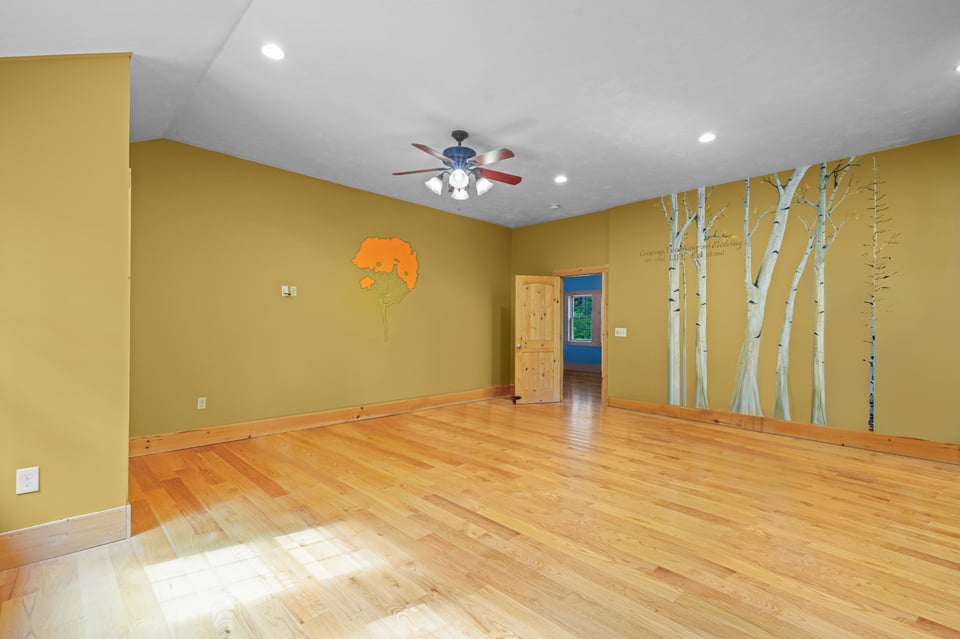

Open the published client stories and revived-listing files. Your recommendation is built only after we understand the home and the market.
Film, portal placement, streaming, social, and print are shaped around the property, its likely buyer, and the approved plan.
Budget, channels, timing, and availability are set for each property. Reach and results vary and are not guaranteed.
We will start with your property, your timing, and what matters most.
Smith & Oak advises residential buyers and sellers across city, suburban, and coastal markets in Rhode Island and Massachusetts.
Film, portal placement, streaming, social, and print are selected around the home, its likely buyer, and the approved campaign.
Tailoredproperty by property
Budget, channels, timing, and availability are set for each campaign. Reach and results vary and are not guaranteed.
Buyer search. Seller file. Both stay on this desk.
Set your criteria. Matching homes update as you choose.
Pins use listing lat/lng when the feed supplies them; otherwise city location. Full MLS search, draw-a-map, and cooperating inventory wait on the licensed IDX vendor. MLS data is deemed reliable but not guaranteed.
Acquisition, disposition, leasing, and investment advice shaped around the property, the market, and the decision ahead.
We're a team of advisors, operators, and strategists with one standard. Extraordinary results for our clients.
Click any advisor to view their profile, or return to the studio.