Thinking about buying a home in East Greenwich because you love historic charm, coastal access, or both? You are not alone, and that combination is exactly what makes this market so appealing and a little more complex than a typical home search. When a property sits in a town known for centuries-old architecture and a waterfront setting, your due diligence needs to cover more than layout and price. This guide will help you understand what to look for, what questions to ask, and how to plan with confidence. Let’s dive in.
Why East Greenwich Stands Out
East Greenwich offers a rare mix of deep history and coastal character. The town sits on the west shore of Narragansett Bay, and Greenwich Cove adds a true waterfront element with small marinas and dining nearby. At the same time, Main Street and the Hill and Harbor district anchor the town’s historic identity.
That historic identity runs deep. East Greenwich was incorporated in 1677 and later served as one of Rhode Island’s five state capitals from 1806 to 1854. The downtown historic district contains more than 600 historic structures, and the Clement-Weaver House, begun in 1679, is identified as the oldest structure in town.
For you as a buyer, this means one important thing: a home here may come with both preservation considerations and coastal property considerations. In many cases, you are not just evaluating an older house or a home near the bay. You may be evaluating both at once.
Historic Home Styles in East Greenwich
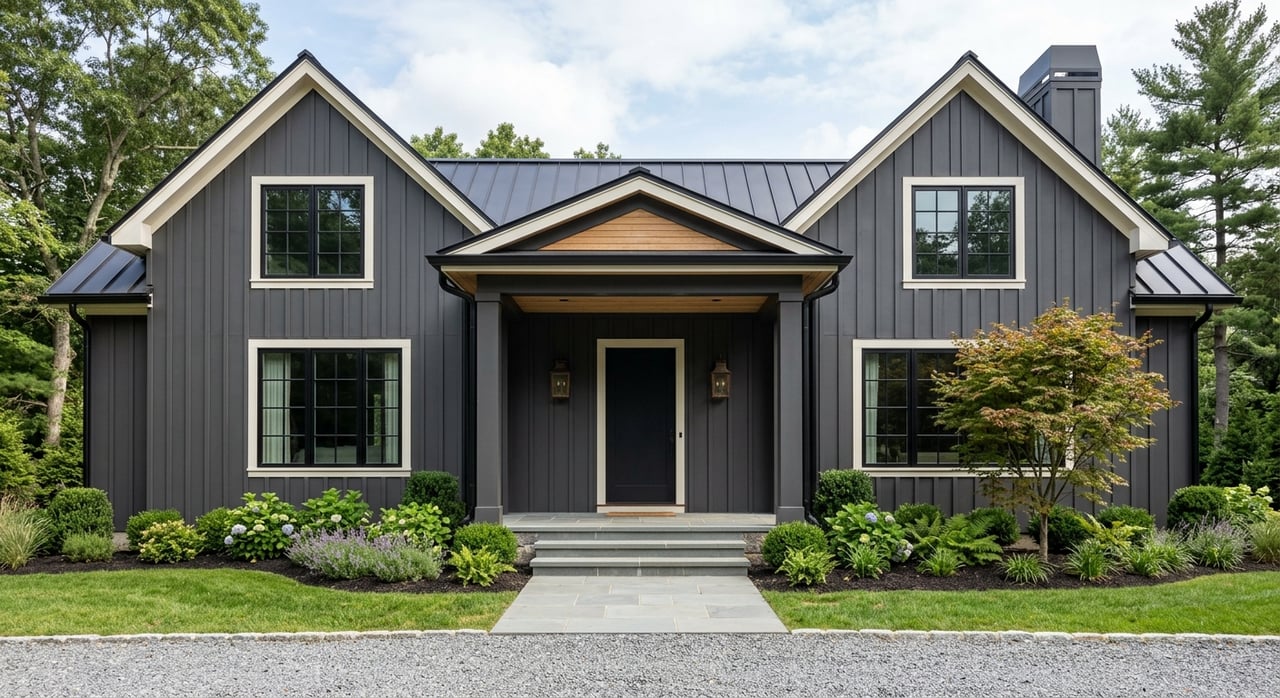
East Greenwich has a broad mix of historic architecture, and that variety is part of the town’s appeal. The local historic guidance identifies styles including Colonial, Early Georgian, Federal, Republican, Greek Revival, Victorian, Queen Anne, Second Empire, Colonial Revival, American Four Square, and Craftsman Bungalow.
If you are touring homes here, it helps to understand the broad categories you are likely to encounter. That context can make it easier to spot original details, understand likely maintenance needs, and ask smarter questions before you make an offer.
Colonial and Federal Homes
Colonial, Early Georgian, and Federal homes represent some of the oldest housing stock in town. These homes reflect East Greenwich’s earliest building periods, with local examples tied to the 1700s and early 1800s.
You may see homes with simpler forms, older materials, traditional window patterns, and long-standing structural elements that have been updated over time. With these properties, age alone can affect everything from insulation and windows to foundations, roof systems, and moisture management.
Greek Revival Homes
Greek Revival homes are also a strong part of East Greenwich’s historic fabric. Local guidance points to features like heavier entry proportions and side-oriented door placement, which can help you identify this style as you browse listings or tour homes.
These homes often appeal to buyers who want formal historic character without the earliest Colonial-era layout. Still, exterior features that define the style may be important to preserve, especially if the property falls under local historic review.
Victorian-Era Homes
Victorian-era homes in East Greenwich include bracketed, Stick Style, Queen Anne, and Second Empire forms. Compared with earlier homes, these properties often bring more ornament, more complex rooflines, and more decorative trim.
That visual richness can be a major draw, but it can also mean more exterior components to maintain. Decorative woodwork, porches, and trim details may require thoughtful repair rather than quick replacement.
Early 20th-Century Homes
Colonial Revival, American Four Square, and Craftsman-era homes add another layer to the local housing stock. These homes can offer a balance between historic character and somewhat more familiar floor plans for modern buyers.
Even so, they are still part of East Greenwich’s architectural story. If a home sits in a protected historic area, updates to visible exterior features may still require a preservation-minded approach.
Coastal Homes Come With Extra Due Diligence
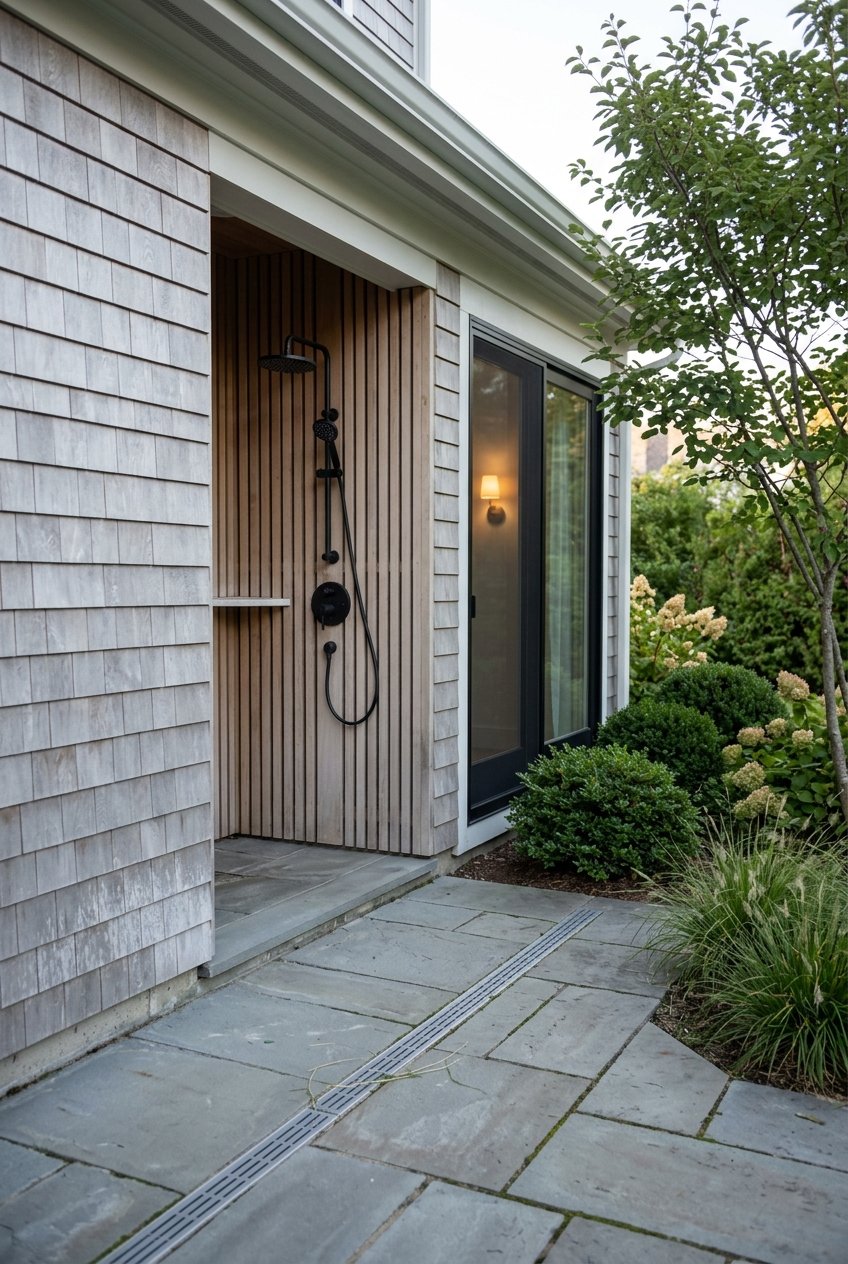
East Greenwich’s coastal appeal is part of what makes the town special. A Colonial, Victorian, or early-20th-century home may sit near Greenwich Cove or other bayfront areas, and that location can change your risk profile even if the house itself is not a classic beach cottage.
Rhode Island’s Coastal Resources Management Council, or CRMC, notes that coastal properties can involve added flood insurance costs, storm impacts, erosion concerns, and sea-level-rise risk. These issues are important to review early, not after you are already emotionally committed to a property.
Flood Zones and Insurance
If a property is in a high-risk flood area, flood insurance may become a key cost factor. FEMA defines a Special Flood Hazard Area as an area with a 1% or greater chance of flooding in any given year, and CRMC notes that standard homeowner’s insurance does not cover coastal flooding.
Flood insurance is generally required when a mortgaged structure in a high-risk flood zone is tied to a federally backed loan. For you, that means the monthly cost of ownership may look very different from the list price alone. It is smart to review flood map status and likely insurance requirements as early as possible.
Setbacks, Permits, and Future Plans
If you are hoping to add on, rebuild a deck, change site features, or make major exterior improvements near the shoreline, CRMC rules matter. Rhode Island guidance says a permit is required for construction or alteration on a shoreline feature or within 200 feet of one.
Minimum setbacks and erosion-based setbacks can also apply. In plain terms, the lot may physically look large enough for your plans, but regulatory limits may narrow what you can actually do.
Older Homes and Modern Standards
Many coastal homes were built before today’s flood standards existed. CRMC notes that new or substantially improved structures in flood-prone areas must be elevated at least one foot above base flood elevation and built with flood-resistant materials below that level.
This matters if you are buying a home with renovation goals. A project that seems straightforward at first glance can become more complex if the scope of work triggers additional compliance requirements.
Septic and Shoreline Protection
If a coastal property is not connected to sewer, the onsite wastewater system deserves close review. CRMC says these systems can be vulnerable to storm or erosion damage, and septic systems within 50 feet of the shoreline must be zero-discharge.
Rhode Island also requires cesspools within 200 feet of the shoreline to be replaced or connected to sewer under state phase-out rules. In addition, older seawalls, revetments, and similar hard shoreline structures may not have been designed for current storm forces and can still fail in severe conditions.
What Historic District Rules Mean for Buyers
If a home is in one of East Greenwich’s historic districts or is considered an outlying historic property, exterior changes may require review by the Historic District Commission. The town requires a Certificate of Appropriateness for exterior work that needs a building permit, and exterior modifications to historic structures often go through commission review.
That does not mean you cannot improve the home. It means the process is more structured, and your design choices may need to align with local preservation standards.
Updates That Often Need Careful Review
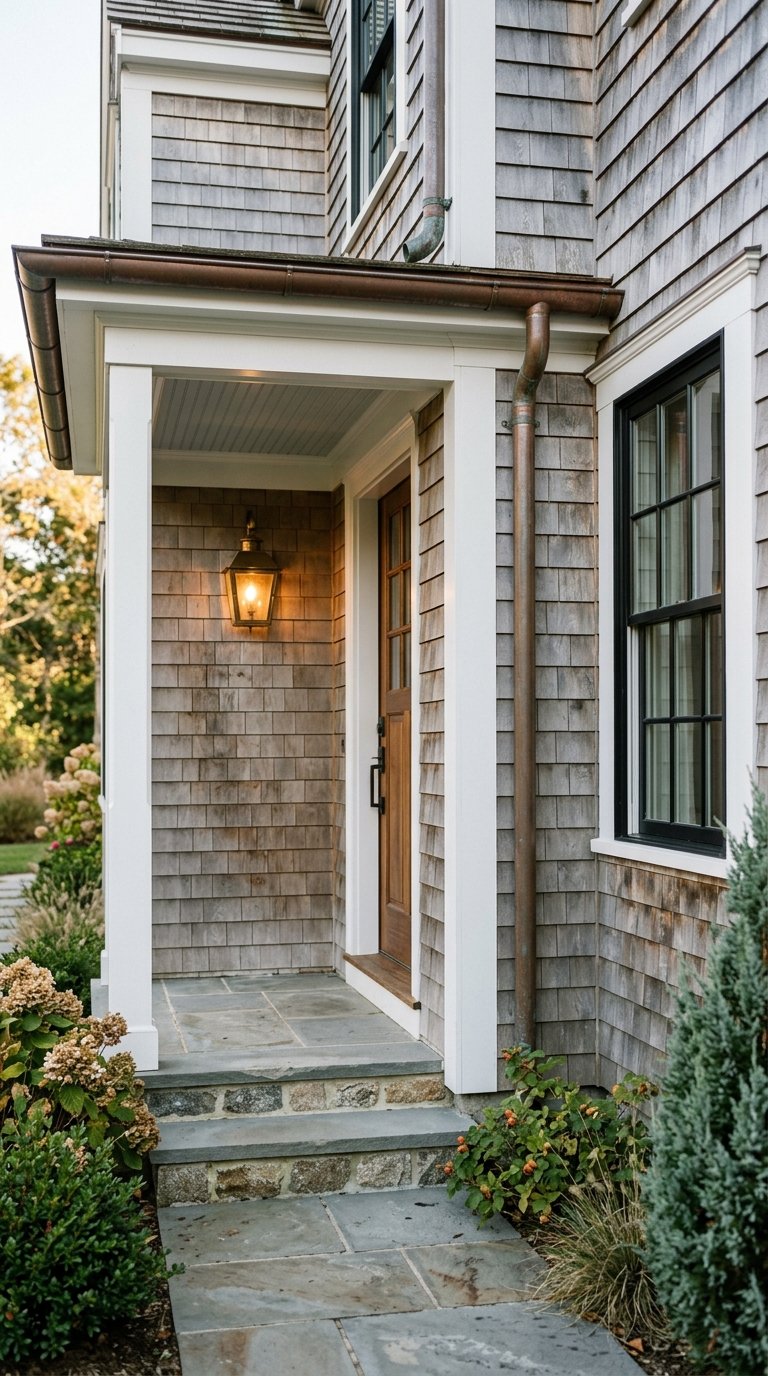
East Greenwich’s guidance highlights roofs, gutters, windows, porches, siding, and paint as common update priorities. The town emphasizes repair before replacement and encourages matching original materials and profiles whenever possible.
The guidelines also stress preserving defining features such as rooflines, walls, windows, doors, porches, stairs, railings, and foundations. If you are buying a home because of its character, these are often the exact features that make it special and the ones most likely to shape renovation decisions.
Materials Matter
The local standards note that original roofing materials should be retained when possible and built-in gutters should be preserved. Historic wood windows can often be repaired and paired with storm windows.
The same guidance says vinyl siding or vinyl-clad windows are generally not appropriate substitutes in the historic district. For buyers, that is an important budgeting point. The lower-cost option may not be the approved option.
Some Projects May Be Simpler
Not every exterior task requires a full review process. The town identifies some lower-friction items, including ordinary maintenance and repair, painting, storm or screen windows and doors, gutters and downspouts, certain site work, mechanical equipment, and chimney caps.
That can make ownership feel more manageable. The key is knowing the difference between routine upkeep and changes that alter a historic feature or require a permit.
Budgeting for Ownership in East Greenwich
Historic and coastal homes can be rewarding to own, but they often ask for a more detailed budget. Beyond your mortgage, you may need to account for preservation-sensitive repairs, flood insurance, storm resilience work, and permit-related costs.
That does not mean these homes are poor choices. It means the smartest buyers go in with realistic expectations and a plan for both short-term maintenance and long-term improvements.
A Local Tax Credit May Help
East Greenwich offers a local historic residence tax credit that can provide up to a 20% annual reduction in property tax liability for up to five years for certified maintenance or rehabilitation work, subject to town code conditions.
This can be meaningful for owner-occupants taking on eligible work. At the same time, it is important not to assume every preservation incentive applies to your situation.
Not All Historic Tax Credits Apply
Rhode Island’s preservation guidance makes an important distinction. State and federal historic tax credit programs are generally for income-producing properties, and private one- and two-family residences do not qualify.
If you are buying a historic home as your primary residence, the local East Greenwich program may be more relevant than broader credit programs you may have heard about elsewhere.
Smart Questions To Ask Before You Buy
When you are serious about an East Greenwich historic or coastal home, it helps to move beyond general questions and focus on the details that shape ownership.
Here are a few smart questions to ask early:
- Is the property located in a local historic district or designated as a historic property?
- What exterior changes have been made, and were they reviewed or approved when required?
- Is the property in or near a flood zone or shoreline feature?
- What are the current flood insurance requirements and estimated costs?
- Is the home connected to sewer, or does it rely on an onsite wastewater system?
- Are there any known shoreline protection structures, and what condition are they in?
- If you want to renovate, could your planned scope trigger historic review or coastal permitting?
These questions can help you compare homes more clearly and avoid unpleasant surprises after closing.
Why Guidance Matters in This Market
East Greenwich rewards buyers who value architectural character, a walkable historic core, and access to the bay. It also asks you to be more thorough than you might be in a newer inland neighborhood.
That is where a practical, local process matters. When you are weighing a historic roofline, a flood map, a future porch repair, and long-term ownership costs at the same time, you want guidance that is organized, clear, and grounded in how properties actually function in Rhode Island.
Whether you are looking for a primary home with period details or a property with renovation potential, the best approach is to evaluate charm and risk together. If you want help navigating East Greenwich homes with a clear plan for buying, improving, and managing what comes next, connect with Smith & Oak Realty.
FAQs
What makes East Greenwich homes different from other Rhode Island homes?
- East Greenwich stands out because it combines a large historic housing stock with a coastal setting on Narragansett Bay, so buyers often need to review both preservation rules and shoreline or flood-related issues.
What historic home styles are common in East Greenwich?
- Buyers in East Greenwich may see Colonial, Early Georgian, Federal, Greek Revival, Victorian, Queen Anne, Second Empire, Colonial Revival, American Four Square, and Craftsman Bungalow homes.
What should buyers know about flood risk in East Greenwich coastal homes?
- Buyers should review flood zone status early because coastal properties may involve flood insurance requirements, added ownership costs, storm risk, and building rules for future improvements.
What does the East Greenwich Historic District Commission review?
- The commission reviews applications for new construction and alterations to existing structures in historic districts and on outlying historic properties, and many exterior changes that require a building permit also require a Certificate of Appropriateness.
What exterior features matter most in East Greenwich historic homes?
- Local guidelines emphasize preserving character-defining features like rooflines, windows, doors, porches, stairs, railings, walls, and foundations, while encouraging repair before replacement.
What tax credit is available for East Greenwich historic homes?
- East Greenwich offers a local historic residence tax credit that may reduce property tax liability by up to 20% annually for up to five years for certified maintenance or rehabilitation work, subject to local requirements.