Thinking about which upgrades will actually boost your home’s value in Cranston? With older housing stock, four-season weather, and price-sensitive buyers, the right projects can help you sell faster and for more. In this guide, you’ll learn which improvements matter most, what to prioritize for our climate, and how to time and budget your work. You will also get a simple plan to align projects with neighborhood expectations and permitting in Cranston. Let’s dive in.
Cranston buyer priorities
Cranston has many older colonials, bungalows, and mid-century homes. Buyers often look for updated systems, move-in ready kitchens and baths, and energy features that cut utility costs. Because winters are cold and summers are humid, comfort and durability carry real weight.
Price sensitivity matters. Upgrades that bring your home in line with nearby sales tend to deliver better returns than high-end remodels that overshoot the neighborhood. Review recent comparable sales with a local agent before you commit to a scope.
Quick curb appeal wins
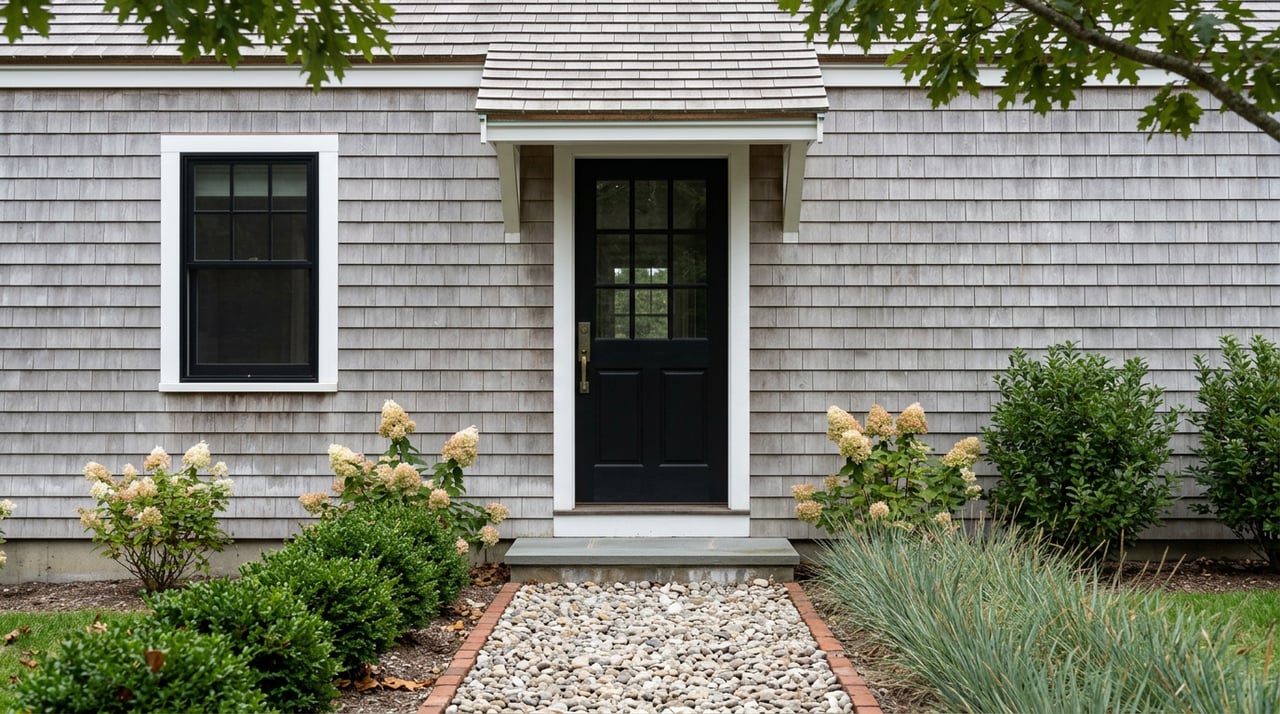
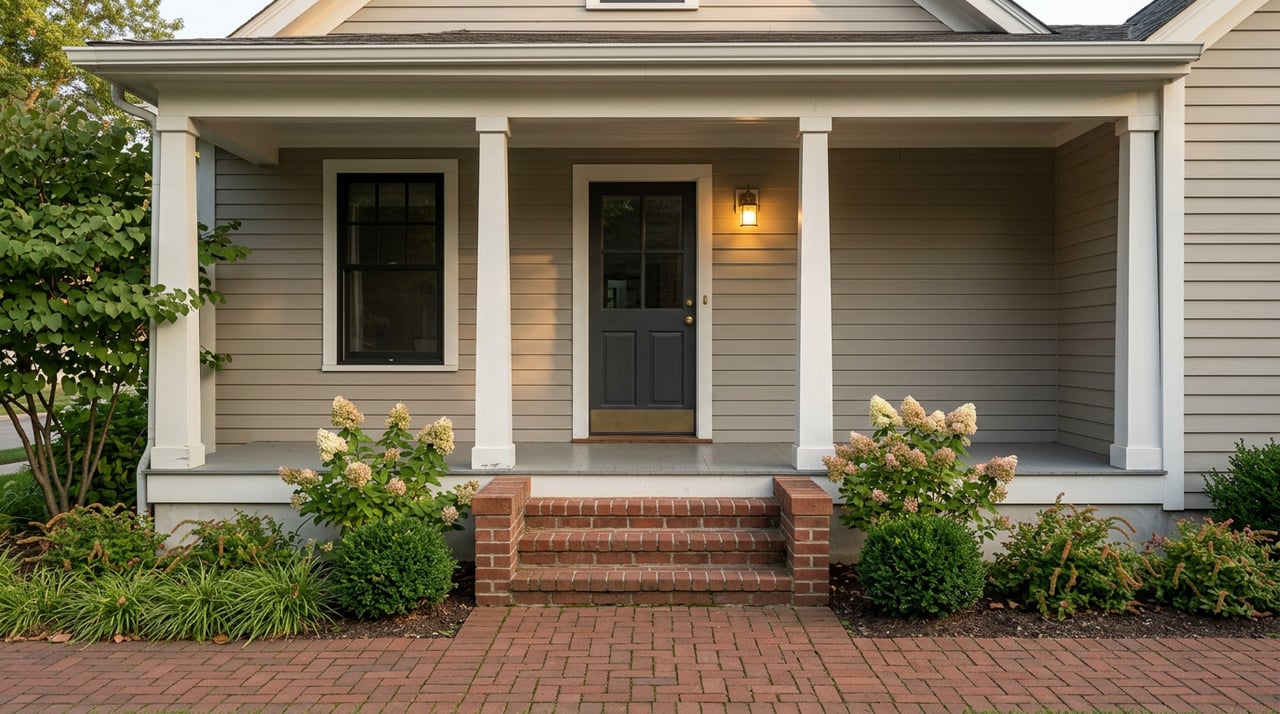
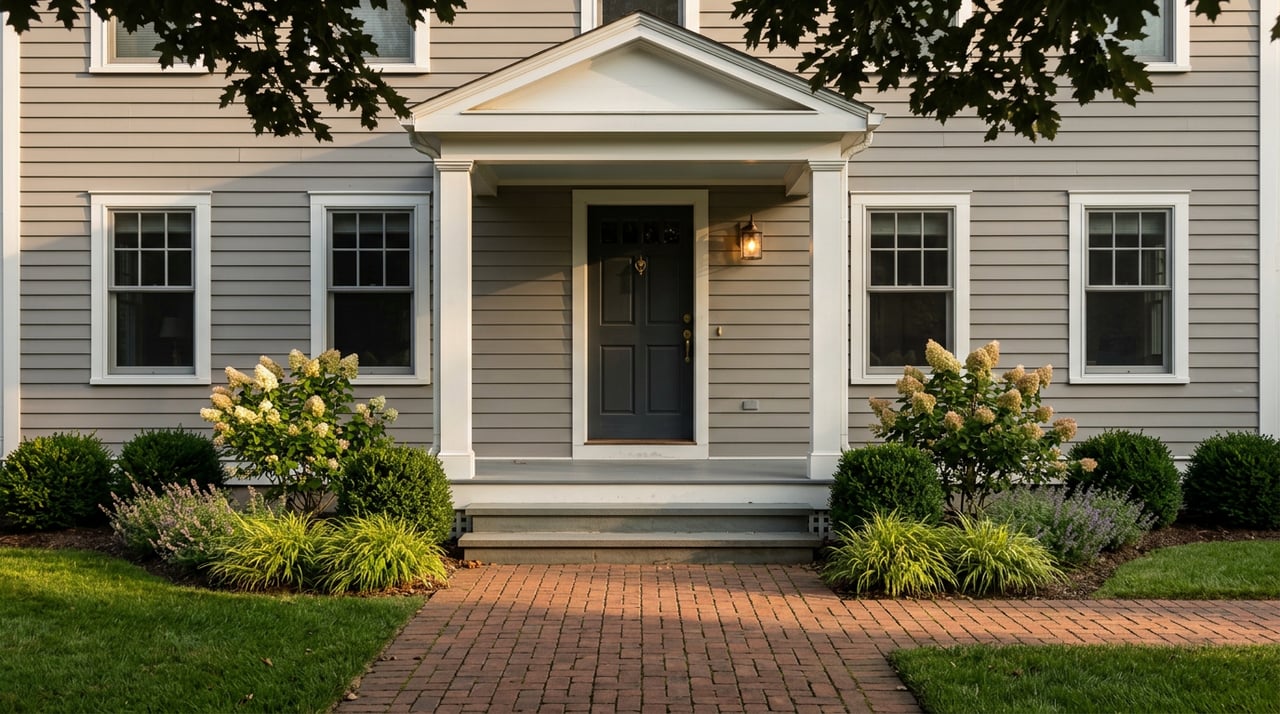
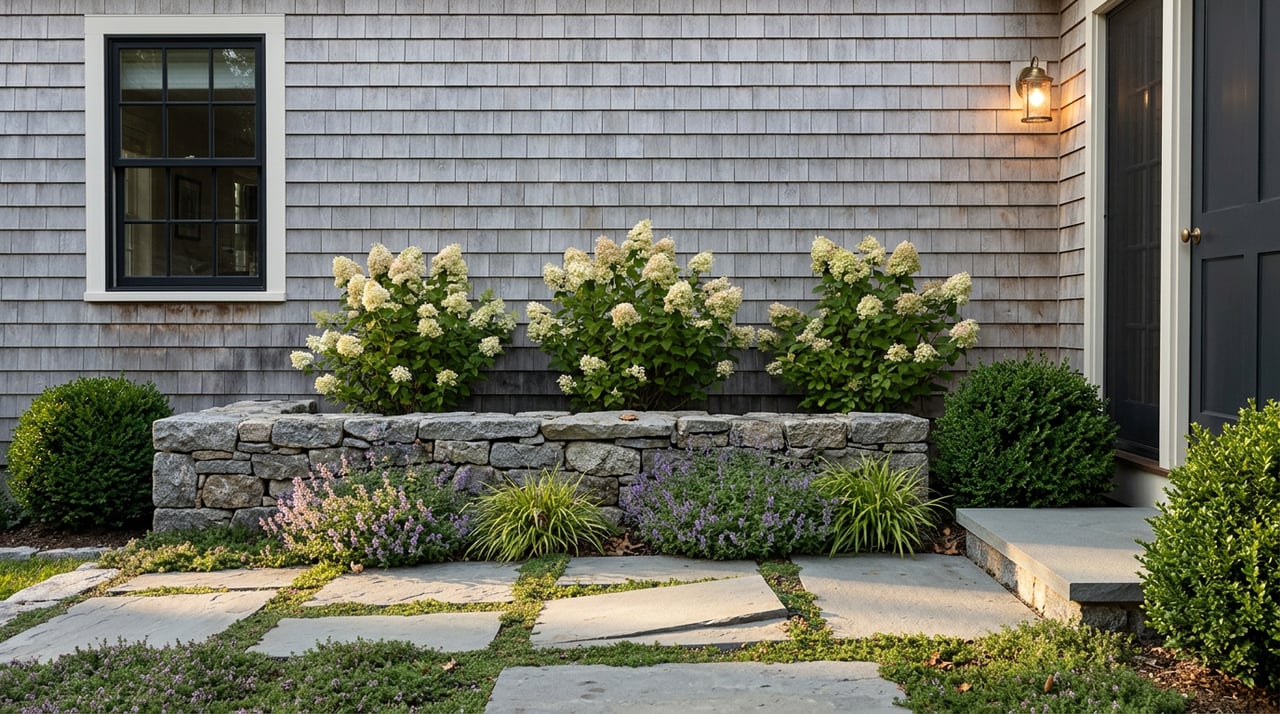
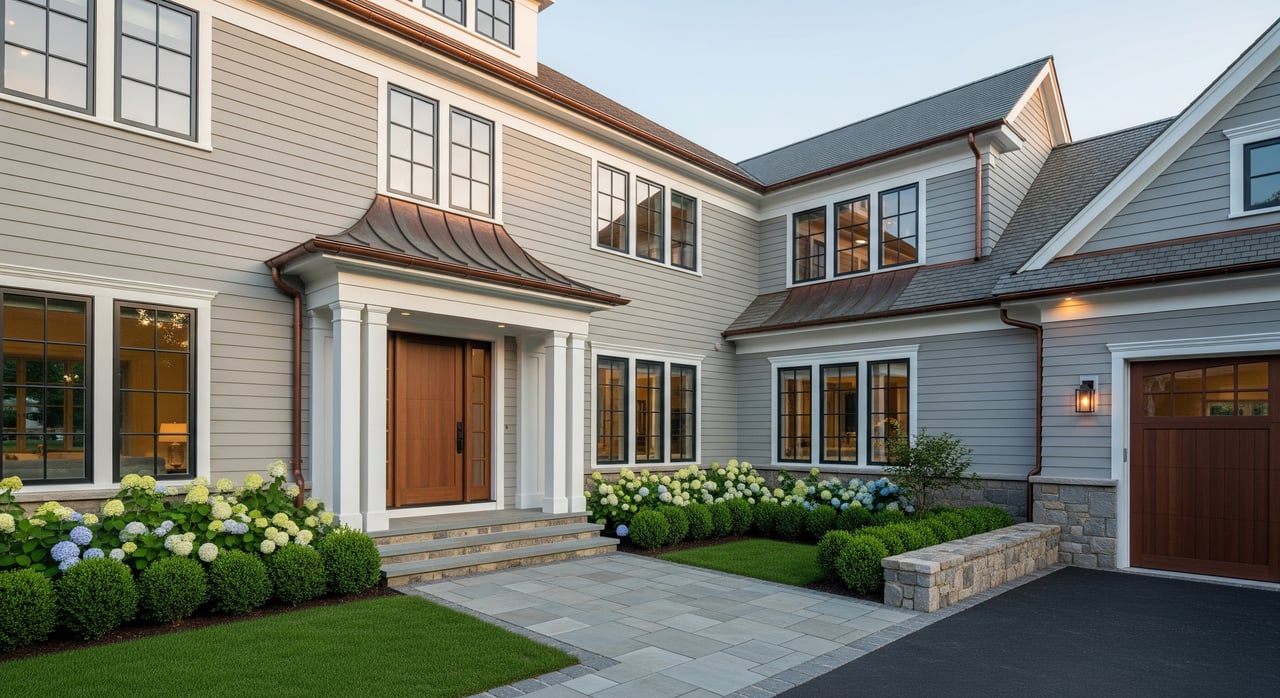
First impressions drive showing activity and offer strength. You can lift curb appeal with cost-effective changes that do not require major permits.
- Refresh exterior paint or trim and clean up beds and walkways.
- Replace the front door if worn. Modern hardware and lighting add a clean look.
- Update the mailbox and house numbers to match the style of the home.
- Repair or replace a tired garage door. This is often a strong relative ROI move.
These projects are fast, affordable, and set the tone before a buyer steps inside.
Kitchen updates buyers expect
Kitchens are high-impact, but you do not need a custom overhaul to win. In many Cranston homes, a minor to moderate remodel is the smart play.
Refinish or reface cabinets instead of full replacement when boxes are solid.
Upgrade countertops, faucets, and lighting for a more modern feel.
Replace aging appliances with reliable, energy-efficient models.
Improve layout where possible by opening sightlines or adding task lighting.
If you move gas lines, change structural walls, or update electrical and plumbing, you will need permits and licensed trades. Focus on a tasteful, functional design that matches neighborhood norms.
Bathroom refreshes that pay off
Buyers notice clean, well-ventilated baths. Target visible wear and efficiency.
- Replace older vanities, faucets, and lighting.
- Upgrade tile or surrounds, and convert a tub-only space to a shower or tub-shower combo if it improves function.
- Add or improve ventilation to prevent moisture issues.
Plumbing changes usually require permits and inspections. Keep selections simple and durable to control costs.
Energy efficiency and comfort
Comfort and lower operating costs stand out in our climate. Start with insulation and air sealing before you commit to full window replacement.
- Add attic insulation and seal gaps to reduce drafts and heat loss.
- Improve wall insulation where feasible and weatherstrip doors.
- Replace failing or very inefficient windows selectively. In many older homes, targeted repairs plus insulation deliver better payback than full replacement.
Many energy upgrades do not need permits, but mechanical or structural changes may. Federal tax credits and state or utility rebates can offset costs. Check current programs with Rhode Island energy resources and local utilities before budgeting.
Heat, cooling, and hot water
If your heating system or water heater is near end-of-life, replacement can be a strong selling point. High-efficiency equipment and heat pump solutions are increasingly attractive.
- Replace aging boilers or oil-fired systems with efficient models.
- Consider heat pumps with a backup option if that suits the home’s electrical capacity and layout.
- Upgrade the hot water system for reliability and efficiency.
Mechanical permits and inspections are required. Conversions can trigger electrical service upgrades, so plan for that in your timeline and budget. Federal, state, and utility incentives may apply to high-efficiency systems.
Roof, siding, and water management
Buyers look closely at roofs and exterior cladding because replacement is costly. Cranston’s winter weather and coastal humidity make durability essential.
- Replace aging roofs before they leak. Choose materials suited to freeze-thaw cycles.
- Ensure gutters and downspouts drain away from the foundation to prevent moisture issues.
- Repair or replace failing siding with weather-resistant options.
Roofing and siding often require permits. If your home is in a historic area, verify materials and visibility rules before you start.
Basements and attic conversions
Usable space drives value. Many Cranston homes have basements or attics with potential for home offices, playrooms, or flexible living areas.
- Address waterproofing and insulation first for comfort and longevity.
- Meet ceiling height standards and add required egress windows or doors for safety.
- Plan electrical and HVAC so the new space is comfortable year-round.
Finishing a basement or attic typically requires building permits and inspections. Done right, this can add functional square footage that buyers will appreciate.
Windows and doors
Upgraded windows and doors improve comfort and appearance. Replace when units fail or are extremely inefficient, and use weatherstripping where replacements are not justified.
Exterior window and door swaps usually need minimal permitting unless you change structural openings. Keep styles consistent with the home’s architecture.
Outdoor living that works here
Well-built decks, patios, and simple landscaping add livability, especially in a city setting.
- Build decks with proper footings and flashing to handle freeze-thaw cycles.
- Add a modest patio, lighting, and low-maintenance plantings.
- Consider fencing for defined outdoor space. Check local rules before installation.
Decks often require permits and inspections. Choose durable materials and focus on function.
Accessibility and smart safety
Universal design features can broaden your buyer pool without major construction.
- Consider a zero-step entry where feasible, wider doorways, or lever handles.
- Add grab bars with backing in showers and near toilets.
- Place a bedroom or full bath on the main level if your layout allows.
Smart home and safety upgrades are affordable value-adds. Think smart thermostats, modern electrical panels, carbon monoxide detectors, and basic security systems. These items signal a well-cared-for home.
How to prioritize your list
Start with a professional home inspection to surface safety issues and systems near end-of-life. Fix what could derail a sale before you pick finishes.
Then align your scope with neighborhood comparable sales. Your goal is to meet, or modestly exceed, the expected finish level for your target price range. Avoid over-improving for the area.
Use these buckets to plan:
- Low-cost, high-impact: decluttering and staging, fresh interior paint, flooring refresh, exterior cleanup, lighting and hardware updates, new front or garage door, minor kitchen refresh.
- Mid-range: modest kitchen remodel, bathroom updates, roof replacement if needed, new HVAC or water heater if failing, selective window replacements, partial basement finish.
- High-cost: full kitchen remodels, major additions, full-home window replacement, large hardscape projects. Take these on only if the expected sale price supports the expense.
Time projects to finish before peak listing season. Spring and early summer are typically strongest in New England.
Permits, codes, and contractors in Cranston
Most structural work and all electrical, plumbing, HVAC, and major exterior projects require permits and inspections through the City of Cranston Building Department. Historic districts and some neighborhoods have rules for visible exterior changes. Verify requirements before work begins.
Hire licensed, insured contractors who know Rhode Island codes and local inspection practices. For mechanical systems, confirm HVAC, plumbing, and electrical licenses. Get multiple bids, compare scopes apples-to-apples, and check references.
Incentives and financing options
Energy-related incentives may lower your net cost. Federal tax credits and Rhode Island programs, including utility rebates, can apply to insulation, weatherization, heat pumps, and efficient boilers. Check current eligibility and amounts before you finalize your budget.
If you need to finance improvements, consider:
- Home equity lines of credit or home equity loans.
- Renovation mortgages with local lenders.
- For buyers planning work after closing, FHA 203(k) loans can bundle purchase and rehab.
Always evaluate your cash-on-cash return and timeline to recoup the investment at sale.
Estimating ROI with comps
There is no one-size-fits-all return. In Cranston, resolving deferred maintenance and updating roof or heating systems often provide solid relative value. Well-executed kitchen and bath refreshes can also pay off when they match neighborhood standards.
To estimate likely results:
- Review comparable sales through a local MLS resource.
- Get contractor estimates for your planned scope.
- Compare your expected post-renovation price to similar homes nearby.
- Confirm that buyer demand exists at your target price band.
Document your improvements and keep permits and warranties organized. Buyers respond to clear, verifiable upgrades.
Your next step
If you want a clear, local plan, bring in a team that can advise on scope, handle contracting, and guide timing for the market. With in-house contracting, leasing, and property management, our team helps you decide what to do, what to skip, and how to execute on schedule.
Ready to talk through your project list and listing timeline? Reach out to Smith & Oak Realty to schedule a consultation.
FAQs
What upgrades add the most value in Cranston?
- Fix deferred maintenance first, then focus on major systems like roof and heating, boost curb appeal, and refresh kitchens and baths to match neighborhood standards.
Should I replace windows or add insulation first in a cold climate?
- Start with attic insulation and air sealing for the best impact per dollar, then replace individual windows that are failing or very inefficient.
Do I need a permit to finish my basement or attic in Cranston?
- Yes, finishing basements or attics typically requires building permits, egress compliance, and inspections for electrical and HVAC.
Will energy upgrades help my Cranston home sell faster?
- Energy improvements can lower operating costs and improve comfort, which makes your listing more attractive. Provide documentation and utility estimates when possible.
How can I estimate if a renovation will pay off at resale?
- Compare contractor bids and your expected post-renovation value to recent neighborhood comps, and confirm buyer demand at that price tier with a local agent.