If you want your Warwick home to sell smoothly, prep matters more than ever. In a market where homes moved in about 30 days and drew an average of four offers in March 2026, buyers are paying attention to condition, maintenance, and paperwork right away. The good news is that you do not need to overhaul everything to make a strong impression. With the right plan, you can focus on the updates and documents that help reduce surprises and keep your sale on track. Let’s dive in.
Why prep matters in Warwick
Warwick has an older housing stock than many buyers realize. The City of Warwick’s housing report says the median year built is 1960, and 55% of owner-occupied homes were built before 1959.
That matters because older homes can come with issues like outdated wiring, lead exposure, asbestos, and fire risk. Even when a home has been well cared for, buyers may look more closely at age, maintenance history, and past repairs.
In this kind of market, strong preparation can help your home show better and move through inspections with fewer surprises. It can also help you answer buyer questions with confidence instead of scrambling after your home is already under contract.
Start with the basics buyers notice
Before you think about bigger repairs, handle the simple things that shape first impressions. The most common recommendations in NAR’s 2025 staging survey were decluttering, deep cleaning, and improving curb appeal.
That lines up with how buyers shop. If a home feels clean, open, and easy to picture living in, buyers can focus on the space itself instead of the seller’s belongings or maintenance distractions.
Declutter room by room
Decluttering is often the highest-impact first step. It helps rooms feel larger, brighter, and easier to understand during showings.
Focus on removing anything that makes a space feel crowded or overly personal. That usually includes extra furniture, overflowing shelves, countertop items, and excess storage in closets.
Deep clean the whole home
A full cleaning can make a home feel more cared for without a major investment. Pay special attention to kitchens, bathrooms, floors, windows, trim, and light fixtures.
If buyers see dust, grime, or odors, they may assume there are bigger maintenance issues hiding underneath. A clean home signals that you have kept up with the property.
Improve curb appeal
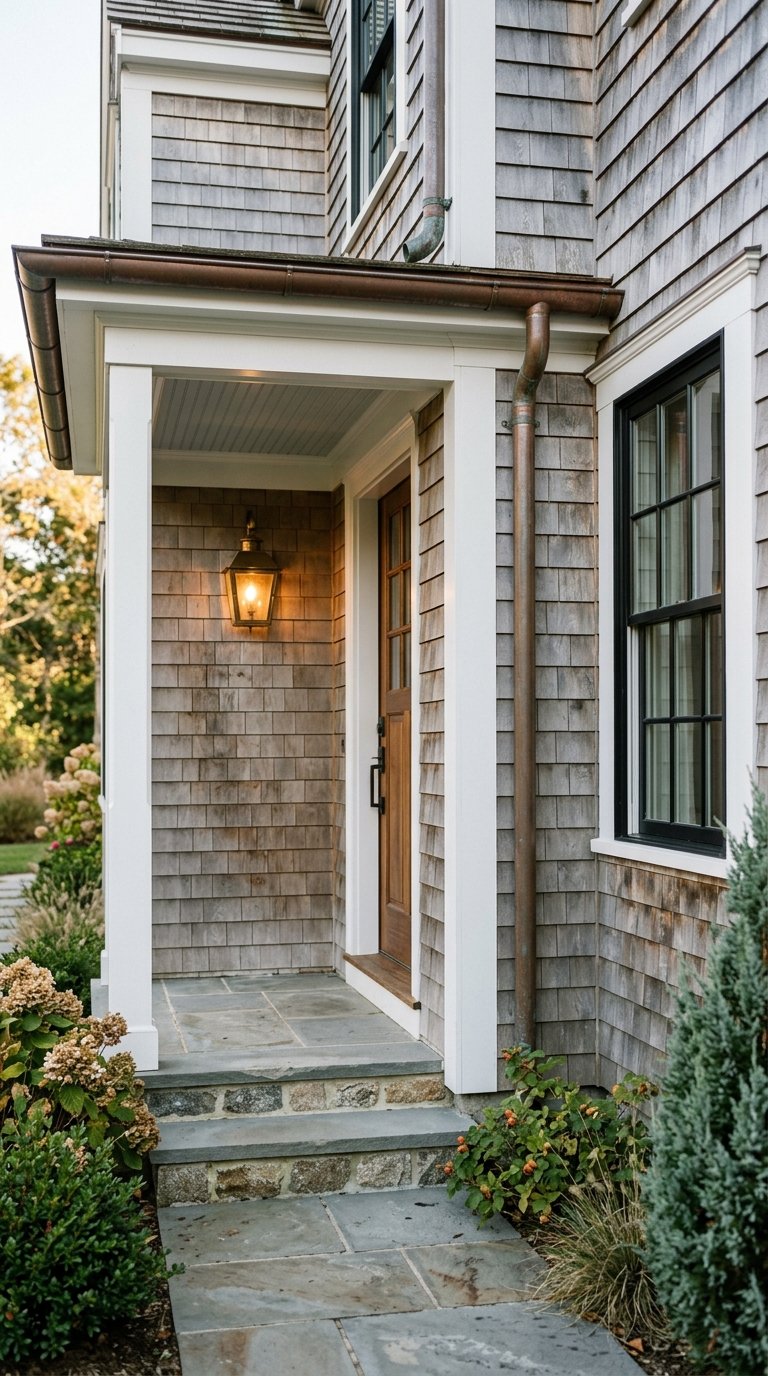
Your exterior sets the tone before a buyer walks inside. NAR found curb appeal was one of the most common seller recommendations, and that makes sense in a market where buyers often decide how they feel about a home within minutes.
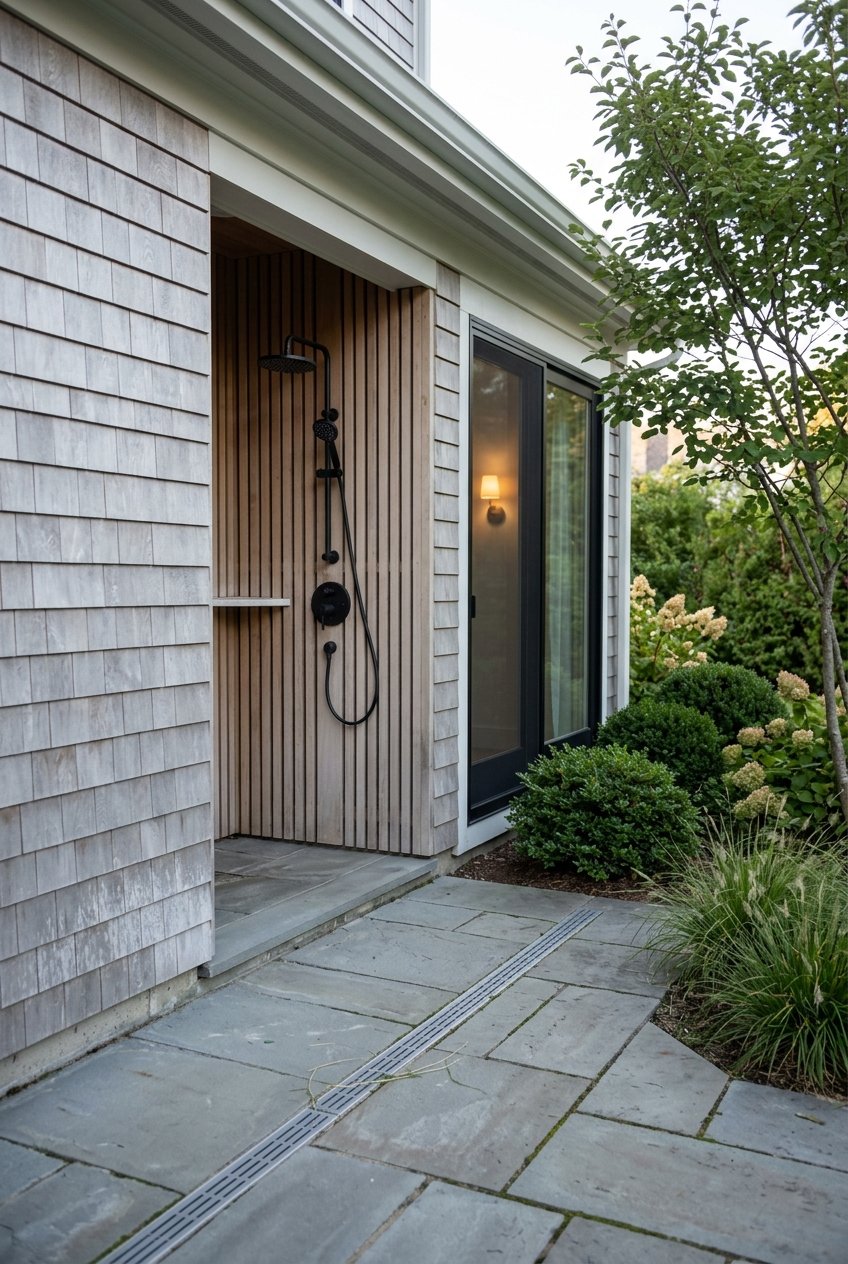
Simple improvements can go a long way, including mowing, trimming, fresh mulch, clearing walkways, touching up paint, and making the front entry look neat and welcoming. If your front door is worn, that area deserves extra attention.
Focus on repairs with the biggest payoff
Not every repair is worth doing before you list. The goal is to address visible, practical issues that may turn buyers off or trigger concerns during inspections.
NAR’s 2025 Remodeling Impact Report found that 46% of buyers are less willing to compromise on home condition than they were a few years ago. That means deferred maintenance is more likely to stand out.
Paint is often worth it
Fresh paint is one of the most commonly recommended pre-sale projects. Painting the whole home or even key rooms can make your property feel cleaner, brighter, and more move-in ready.
If your walls have bold colors, patch marks, or obvious wear, neutral paint can help buyers focus on the home rather than your style choices. It is often one of the simplest ways to improve presentation quickly.
Check the roof and front entry
Roof condition matters because buyers and inspectors notice it right away. If your roof is older, visibly worn, or has known issues, it is smart to evaluate that before listing.
The same goes for your front entry. NAR’s report showed a new steel front door had the highest recovered project cost at 100%, which reinforces how much buyers respond to a strong first impression.
Fix obvious defects now
If you already know about a leaking faucet, broken handrail, damaged outlet cover, loose step, or cracked window, handling it early can make the home feel better maintained. Small defects can raise bigger questions during a showing or inspection.
This is especially important in Warwick, where many homes are older and buyers may already expect age-related issues. When you resolve the easy-to-see problems first, you reduce the chance that buyers assume the home has deeper deferred maintenance.
Know what to fix versus what to leave
Many sellers ask the same question: should you fix everything before listing, or leave some items for the buyer to address later? In most cases, the right answer is to fix issues that are visible, safety-related, or likely to appear in disclosures and inspections.
You do not need to chase every cosmetic upgrade. Instead, focus on the items most likely to affect buyer confidence, negotiations, or timing.
A good pre-listing priority list often includes:
- Decluttering and cleaning
- Interior paint where needed
- Curb appeal touch-ups
- Roof concerns or active leaks
- Electrical issues you already know about
- Plumbing leaks or drainage problems
- Broken fixtures, doors, windows, or railings
- Documentation for past work and permits
If a repair is large, specialized, or unlikely to improve your outcome, it may make more sense to disclose it clearly and price accordingly. What matters is making that choice strategically, not accidentally.
Gather your documents before listing
In Rhode Island, sellers must provide a written disclosure of known deficient conditions before signing an agreement to transfer real estate. The purchase agreement must also acknowledge that the disclosure was provided.
That means your prep should include paperwork, not just cleaning and repairs. When you gather records early, you can complete disclosures more accurately and reduce delays once a buyer is interested.
Key records to pull together
The Rhode Island disclosure form asks about many property details that are especially relevant in Warwick. Before you list, it helps to gather whatever you have for:
- Year built
- Basement seepage or water entry history
- Sump pump information
- Roof age and known defects
- Fireplace and chimney condition
- Structural conditions
- Insulation details
- Termites or pest history
- Radon information
- Electrical service updates
- Heating and air conditioning details
- Plumbing updates
- Private water or sewer systems, if applicable
- Flood plain or wetlands information, if applicable
- Building permits for additions, repairs, or renovations
- Shoreline access details, if relevant
Even if your records are incomplete, start early. Old invoices, permit approvals, and contractor receipts can all help support a smoother transaction.
Permits matter more than many sellers expect
If you added a deck, finished space, updated electrical service, replaced the roof, or made other major changes, buyers may ask whether permits were pulled. The Warwick Building Department issues permits for alterations and repairs to existing structures and maintains information related to flood zones and elevation certificates.
If your home has permit history, try to organize it before the listing goes live. That gives you time to answer questions clearly instead of dealing with confusion once offers come in.
Prepare for inspections and disclosure questions
Rhode Island gives buyers a 10-day inspection period in most sales unless the parties agree otherwise in writing. That short timeline means known issues can become major stress points if you wait until after you accept an offer to think about them.
The smoother path is to anticipate the questions a buyer and inspector are likely to raise. If you already know the age of the roof, the status of the heating system, whether the basement gets water, and what updates were permitted, you are in a much stronger position.
Older Warwick homes need extra attention
Because so many Warwick homes were built decades ago, older systems are common. If your home has original or aging electrical, signs of moisture, or past structural work, it is wise to review those items before listing.
You do not need to create alarm. You simply want to understand the home’s current condition and be ready to disclose known issues accurately.
Lead can be a major factor
Lead is especially important in Rhode Island homes built before 1978. The Rhode Island Department of Health says most lead exposure in the state comes from homes built before that year because of lead-based paint and dust.
If your property falls into that age range, sellers are required to disclose known lead hazards, provide any lead inspection reports, provide the required lead information materials, and allow buyers a 10-day period for lead testing. Starting this process early helps you avoid last-minute scrambling.
Flood-zone and shoreline questions
Some Warwick properties may also raise flood plain, wetlands, or shoreline-related questions. If that applies to your home, it is worth gathering any flood-zone records, elevation certificates, or related documents before listing.
The local disclosure form specifically asks about flood plain and wetlands where relevant. Having those details ready can help keep buyer due diligence moving.
Staging for a Warwick sale
You do not need luxury staging in every room to make a strong impact. NAR’s 2025 staging survey found buyers responded most to the living room, primary bedroom, and kitchen.
That means you can be strategic. Focus your energy where buyers are most likely to form an emotional connection to the home.
Prioritize these rooms first
If your budget or time is limited, start with:
- Living room
- Primary bedroom
- Kitchen
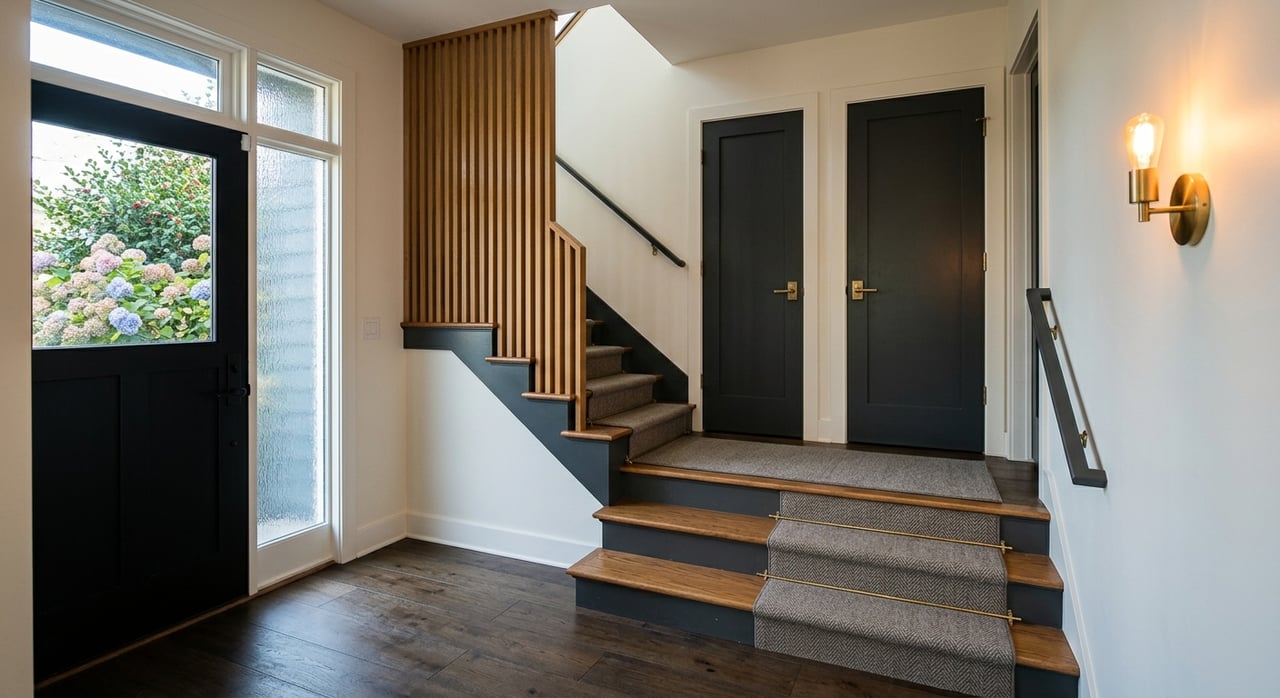
These spaces often shape the buyer’s overall impression. Clean lines, good lighting, and a simple layout can help them picture daily life in the home.
Keep staging simple
The goal is not to make your home look overdesigned. It is to make it feel open, functional, and easy to understand.
That might mean lighter bedding, fewer decorative items, cleared counters, balanced furniture placement, and better lamp lighting. In many homes, simple staging plus good cleaning and decluttering is enough.
Use a plan, not guesswork
Preparing your home for sale can feel overwhelming, especially if you have lived there for years or know the property has some age on it. The key is to work from a clear list that balances presentation, repairs, disclosures, and timing.
A strong prep process helps you make decisions earlier, avoid avoidable surprises, and present your Warwick home with more confidence. It also gives buyers a clearer picture of what they are purchasing, which can support smoother negotiations and fewer issues once you are under contract.
If you want guidance on what to tackle first, what to document, and how to get your home listing-ready without managing every moving piece yourself, Smith & Oak Realty can help you build a practical plan and coordinate the next steps.
FAQs
What should you do first to prepare a Warwick home for sale?
- Start with decluttering, deep cleaning, and curb appeal, then move into visible repairs and document gathering.
What repairs matter most before listing a home in Warwick?
- Focus first on paint, roof concerns, front-entry presentation, leaks, electrical issues you know about, and other obvious defects that may affect buyer confidence.
What documents should you gather before listing a Warwick home?
- Pull together records for permits, repair receipts, roof age, system updates, basement water history, flood-zone details if relevant, and any other information needed for Rhode Island’s property disclosure form.
What should sellers know about lead when selling an older Warwick home?
- If the home was built before 1978, you should be ready to disclose known lead hazards, provide any lead inspection reports, share the required lead information materials, and allow the buyer a 10-day testing period.
What should sellers know about inspections in a Rhode Island home sale?
- In most sales, buyers receive a 10-day inspection period unless the parties agree otherwise in writing, so it helps to address known issues and organize records before listing.
How much staging is enough for a Warwick home sale?
- In many cases, simple staging is enough, especially in the living room, primary bedroom, and kitchen, where buyers tend to respond most strongly.